
Nosterfield Bird Review June 2026
by Andrew (Andy) M Hanby
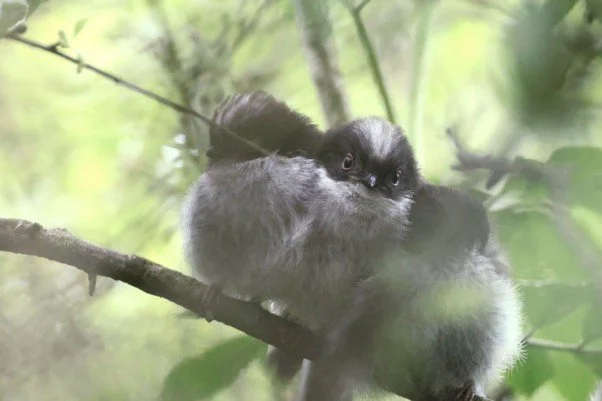
As well as the rare and scarce, June is very much a time of hatching and adolescence for many birds
Andy Hanby
June was a lot less hectic than May, but not without its high points, which emerged on Day Two, with a record flock of nine Mandarin, including seven drakes, on Langwith Lake and a calling Quail by the South Henge. The latter site also appears to have breeding Corn Bunting again this year – with up to two males and one female seen, the latter carrying food.
Mediterranean Gulls were very regular throughout the month, with up to four birds at any one time and an apparent turnover in different individuals. Perhaps not surprising given the numbers edging forward in coastal sites - notably 829 west at Scolt Head in Norfolk on 28th June. Caspian Gulls maintained the more frequent status in the area, with two different individuals on 7th and 12th June respectively.
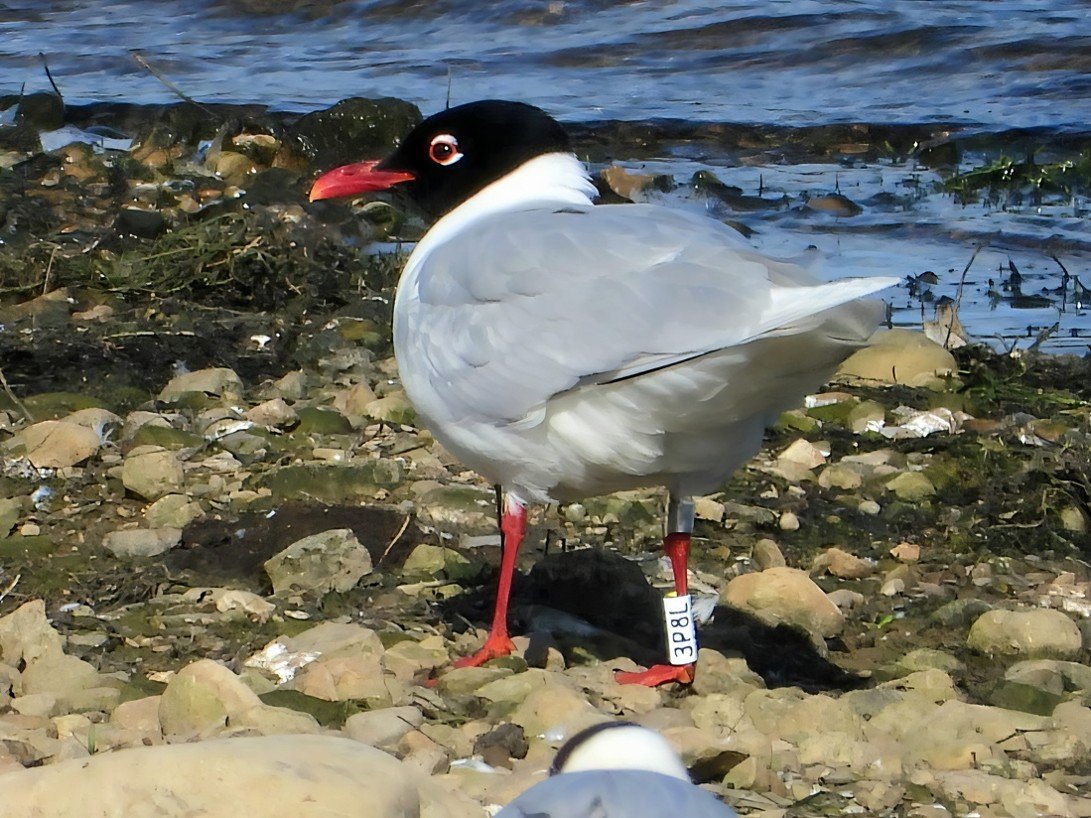
Some of the Mediterranean Gulls bear distinctive rings
Nathan Beer
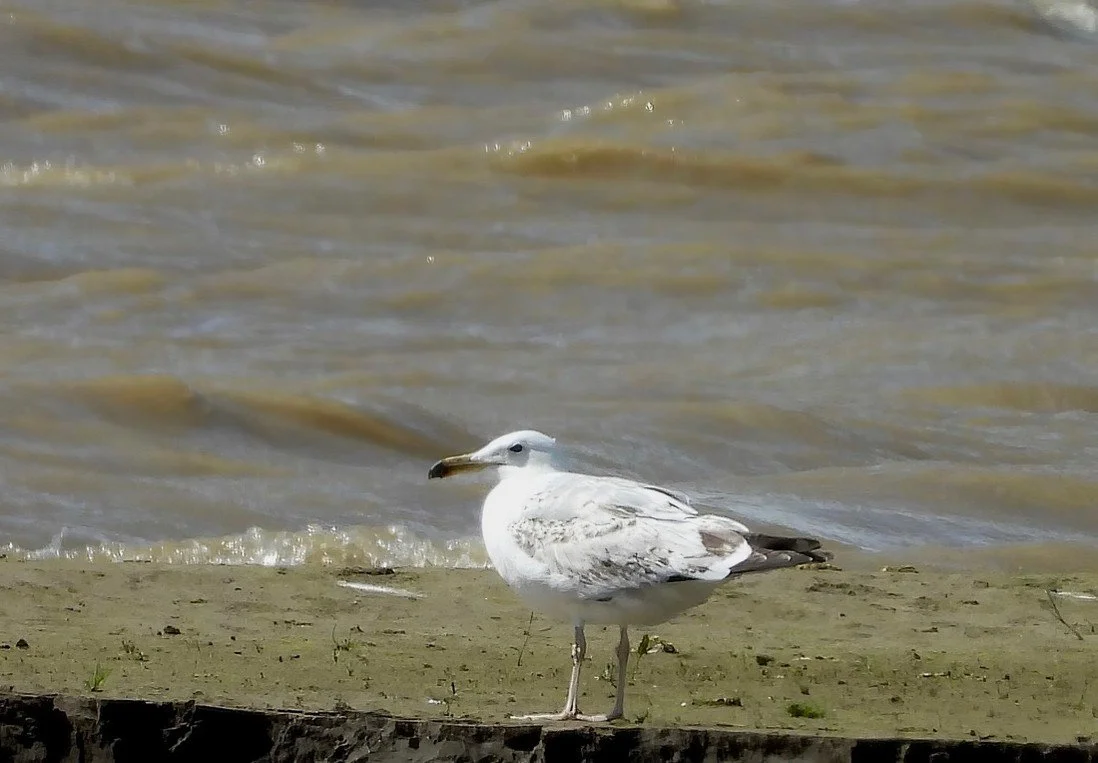
A third calendar-year Caspian Gull on Flasks Lake Tim Jones
A Wood Sandpiper on 8th was possibly a returning bird, evidence that migration/general bird movements never fully stop, even in apparently ‘stagnant’ conditions. This view was augmented by a flock of eight Sanderling on the main Reserve on 11th, a further Wood Sandpiper on 14th, nine more Sanderling, this time on Flasks Lake on 18th and finally one/two Wood Sandpiper on 22nd/23rd.
Birds of prey seemed to prosper throughout the month, with as many as six different adult Marsh Harriers, and sporadic Hobby and Osprey sightings (at least two different Ospreys were involved). The latter included a colour ringed Yorkshire-hatched bird from last year. This observation is extremely interesting because young Ospreys do not usually return to the UK in their second year (honing their hunting skills in West Africa), so a remarkable record.
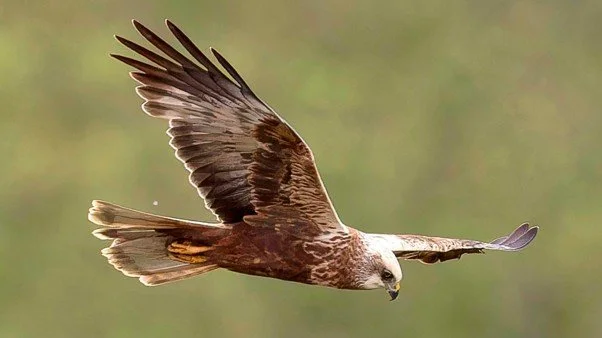
Marsh Harrier Steven Farrington
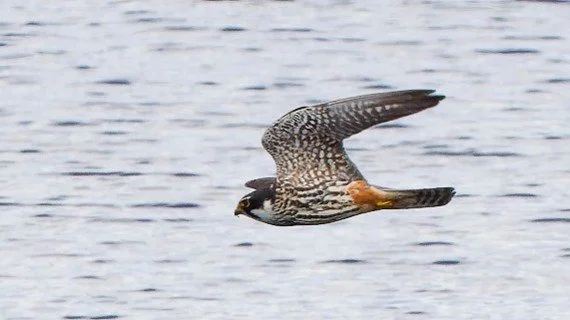
Hobby Dave Edmundson
Two good sightings rounded off the month, a drake Common Scoter on Langwith Lake on 29th and a Cuckoo over the South Henge on 30th.