
Nosterfield Bird Review - May 2026
by Andrew (Andy) M Hanby
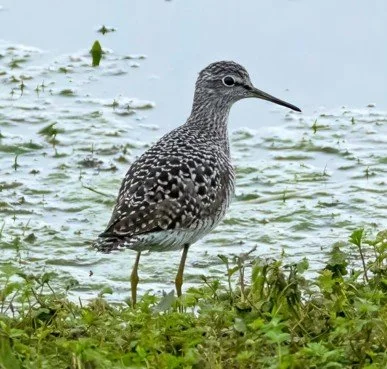
Wood Sandpipers were in abundance in May
Dave Ward
April ended on a high and the fun continued into early May, with the first day of the month delivering a splendid Spotted Redshank and a quality supporting cast of seven Wood Sandpipers and a Black Tern.
Spotted Redshank averages about one record per year in the Nosterfield area and so it is always good to have one ‘under the belt’. Wood Sandpiper is more reliable, but nevertheless a total of 40 bird days in the first 13 days of the month was very respectable.
Common Gulls are an often overlooked but, in my opinion, a rather attractive species. There was plenty of opportunity to confirm this, as record numbers of this species were present in the area during early May – with a steady rise in numbers from 1st to a peak of 1003 on 7th. Nearly all these were non-breeding 2cy birds, with the adults off breeding elsewhere. Judging from the origins of several colour-ringed individuals reported, the majority most likely from Scandinavia, but also from Germany.
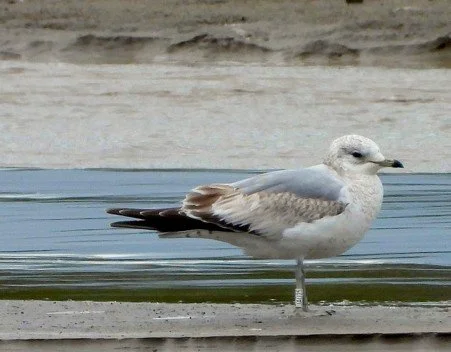
2CY Common Gull originally ringed near Oslo in 2025, at Flasks Lake in May
Tim Jones
Our only two Arctic Terns of the year so far appeared on 3rd, on an otherwise rather quiet day. Things perked up on 6th, with a 3rd calendar-year Yellow-legged Gull on the Reserve and the first Hobby of the year over Flasks Lake, with two in that general area the next day. It was another great day on 8th, with a summer-plumage Black-necked Grebe on Langwith Lake and an Osprey overhead.
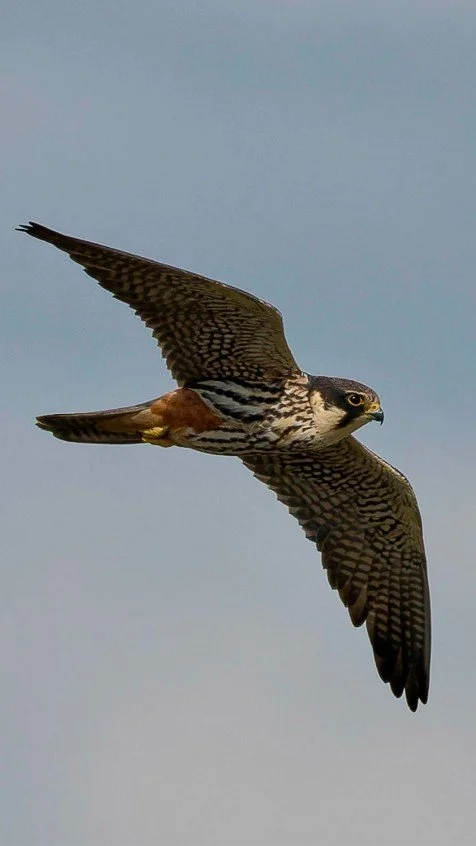
Hobby Steven Farrington
On 9th, the fun was pushed up another notch with the discovery of a Pectoral Sandpiper on the main Reserve, with male Garganey, two Greenshank and 46 Ringed Plover as a very decent supporting cast. Whilst the Nearctic Pectoral Sandpiper has been seen multiple times at Nosterfield, this is the first time we have hosted one in spring in recent years - it was last seen on 16th.
The recording area year list was augmented by Little Stint and Curlew Sandpiper on 10th, with the former still present the next day, as well as two unseasonal Pink-footed Geese. May madness continued, with five Turnstone briefly on Flasks Lake on 12th, before heading off in a south-westerly direction. A gentle couple of days followed, with a Fieldfare on 15th being notable.
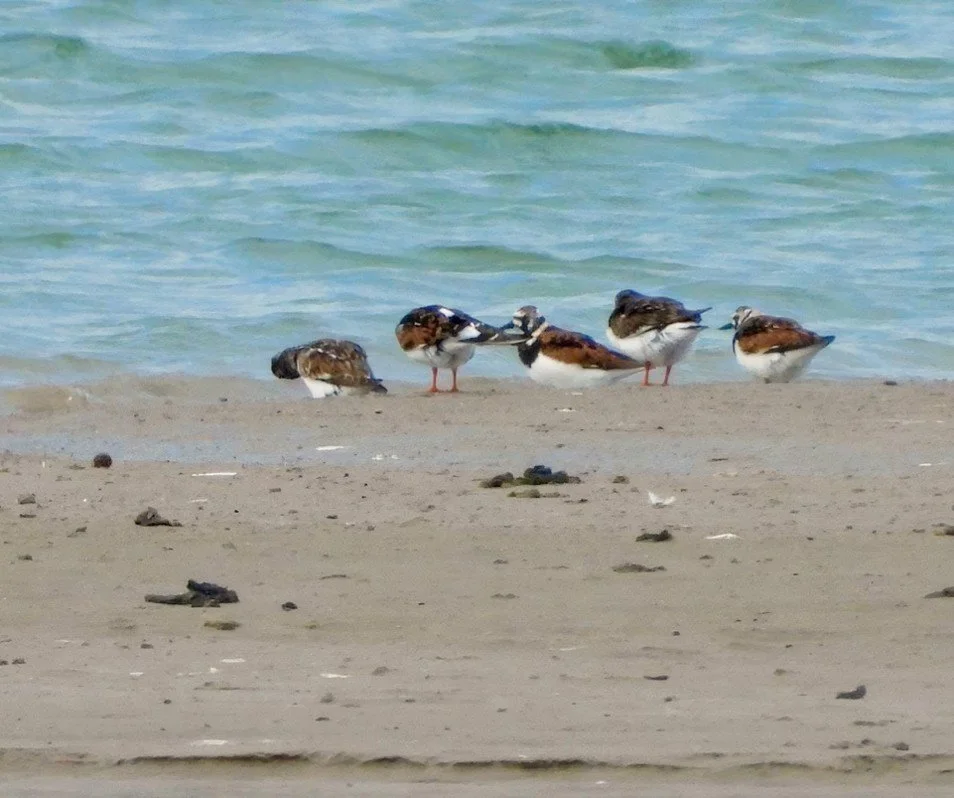
Turnstone Tim Jones
Yours truly had to watch the WhatsApp Nosterfield chat from the departure lounge at Manchester Airport with some incredulity and a certain level of envy, as news of two White-winged Black Terns broke.
This duo commuted between Ladybridge and Langwith Lakes and were still present on 17th, when both Spoonbill and singing Tree Pipit were also present. It must have felt positively continental
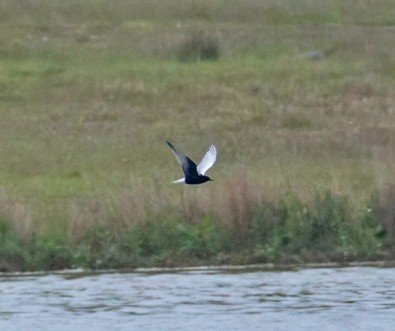
One of the two White-Winged Black Terns on Ladybridge Lake
Dave Ward
Again, a period of calm ensued. A little run of Sanderling commenced on 17th, peaking at eight on 22nd and our only Cuckoo of the year was observed on 20th. A late Wheatear, almost certainly of the Greenland race based on date, was in the Flasks Lake area on 22nd and a Knot frequented the Reserve for the next three days.
Mandarin numbers reached a record high on 24th, when there were seven drakes on Langwith Lake and both further Osprey and Hobby sightings rounded off the month in a gentle way. Summer warblers, hirundines and Swifts were present in abundance throughout the month.
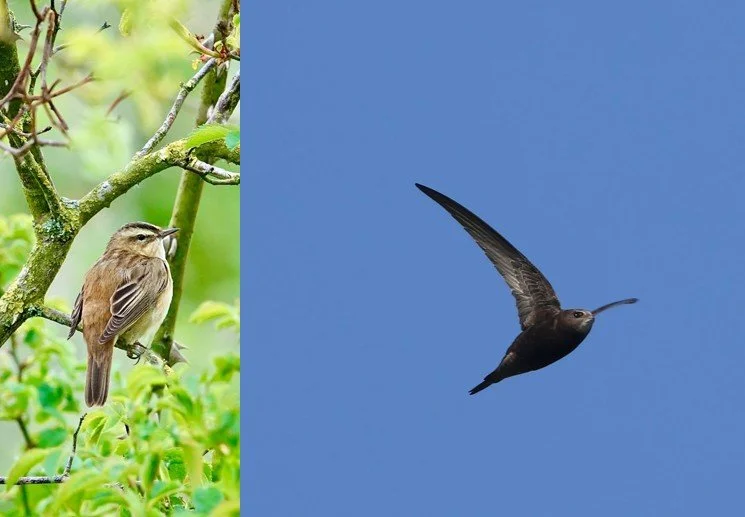
Alan Burkey (Sedge warbler) Andy Hanby (Swift)