
Nosterfield Bird Review April 2026
by Andrew (Andy) M Hanby
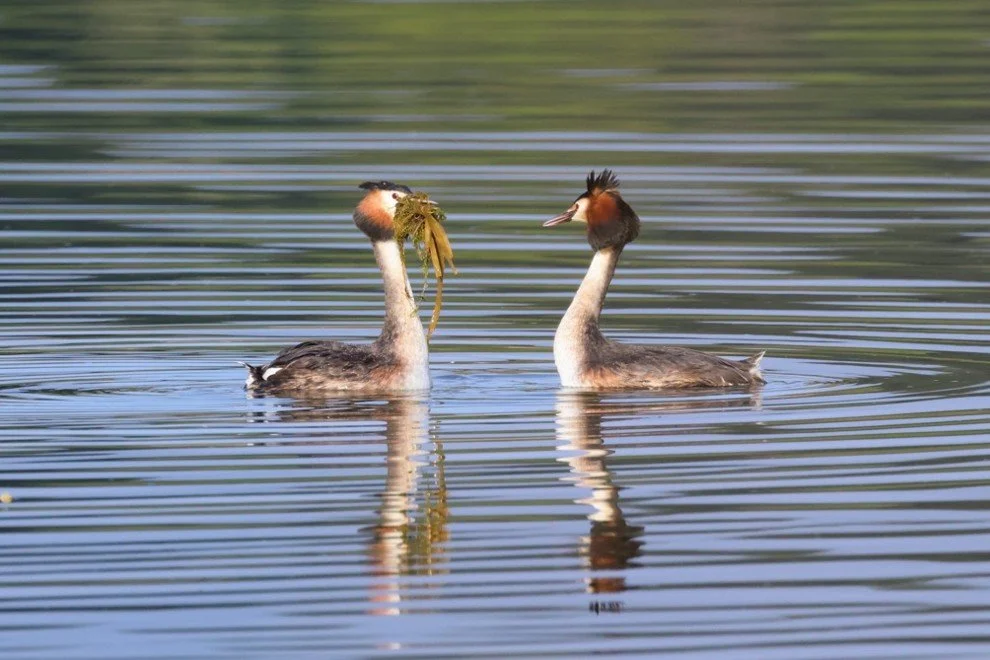
Spring is a time of love - why not give your spouse some wet vegetation?
Matthew Cormack
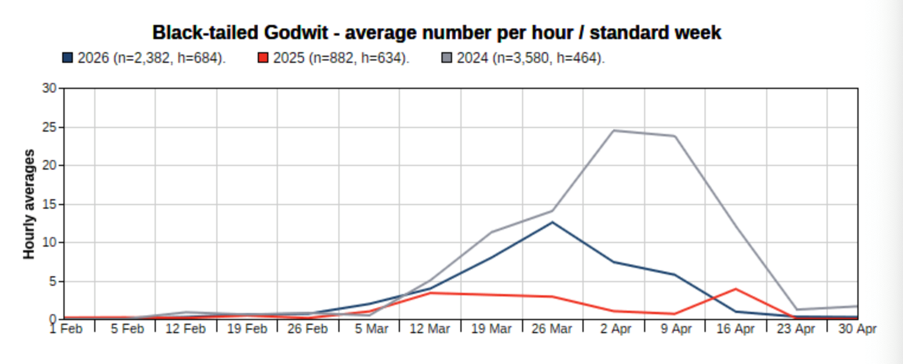
The month started relatively gently, with three Mandarin in flight over the South Henge area and a Merlin. Despite our proximity to the Dales, the latter is surprisingly scarce. Black-tailed Godwits were still present in abundance, with 114 on the Reserve. The latter is a regular spot for this species to linger for a while before making the big push for Iceland. The graph below shows nicely how the species accumulates in the recording area from March onwards, before rapidly clearing off after the middle of the April.
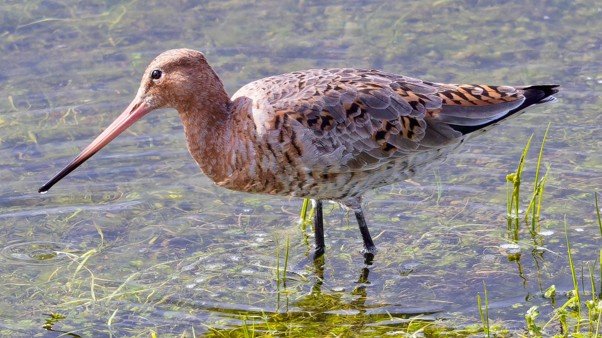
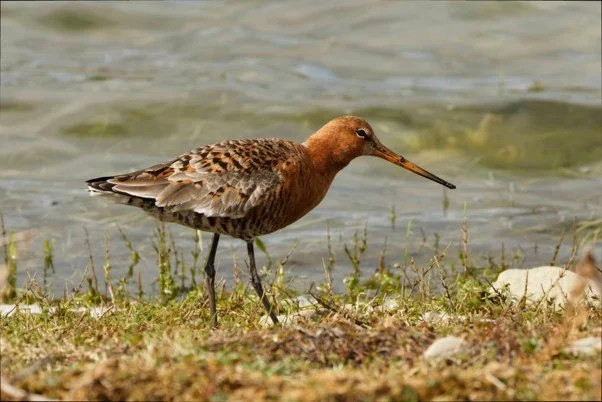
Black-Tailed Godwits - top Steven Farrington, bottom Dave Edmundson
Generally visible migration watches at Nosterfield in spring are dominated by Meadow Pipit and so a more diverse watch on 2nd, which also included nine Crossbill, 129 Golden Plover and 47 Goldfinch amongst other bits and bobs, was extremely welcome. The next day, the bulk that was overhead stopped in the form of 205 grounded Whoopers Swans, most of which made quite a spectacle on Langwith Lake.
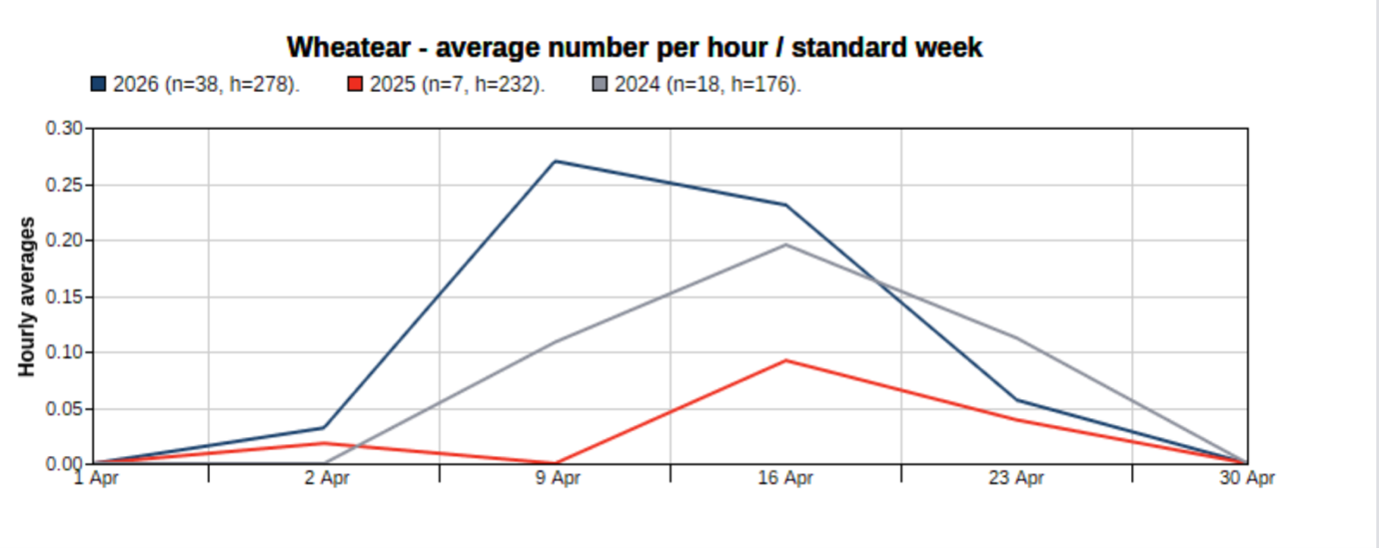
Variety in the migrant wader department on 5th came in the form of 13 Ringed Plover in the recording area and excitement in the form of an Osprey the next day. A single Wheatear on 7th was the start of an impressive run of records, mostly from the South Henge area. The ratio of males to females changed from day to day, indicating some turnover. The stony ‘steppe’ fields in this area are particularly suited to this species. A count of nine here on 19th April represented a record count for us.
It was a ‘very good day’ on 10th - House Martins, Reed Warbler, 17 Whoopers Swans and a Common Terns were the supporting cast for a Black Kite, filmed heading south over the Reserve; our second record. The following day supplied the first Whimbrel of the year, after which up to four were seen on and off, mainly in the Flasks Lake area.
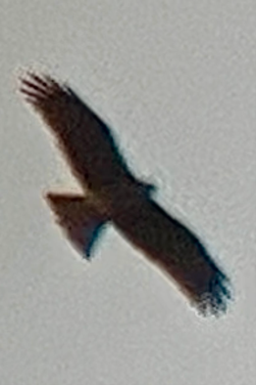
High altitude Black Kite Tim Scott
Whilst Great Black-backed Gull is frequent in winter, a juvenile on Langwith Lake on 15th was more unusual. Eight Mediterranean Gulls were in the area on 18th, as was the first Lesser Whitethroat of the year.
Frustratingly a high harrier that was either Hen/Montagu’s or Pallid, displaying at considerable altitude failed to be narrowed down to species.
Another good day on 20th saw Wood Sandpiper and Jack Snipe new in on the North Scrapes, six White Wagtails in the area and a Little Gull hawking over the Reserve in the evening. Greenshank was added to the recording area year list the next day and from 23rd to 25th, one to two Black Terns as well as two more records of new Little Gulls.
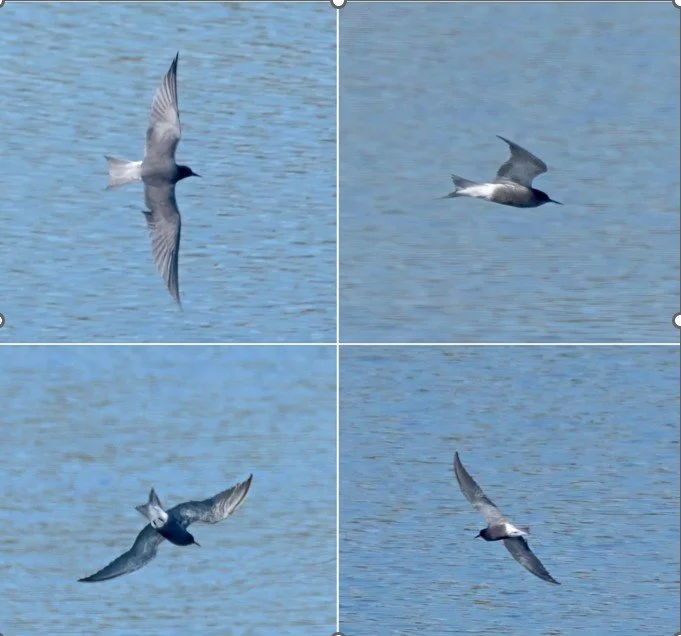
Black Tern Dave Ward
Nationally, something is going on with Redpoll as evidenced by 202 ringed at Wintersett (per Pete Smith on Twitter) on 25th April, so an unseasonal 60 on 26th was not wholly unexpected. To put our count in perspective – we only have a total of 31 Redpoll in aggregate in all years recorded before in April, within the recording area, versus 82 this year! As I write at the start of the new month, a sizeable flock has been reported flying over the Reserve – interesting times.
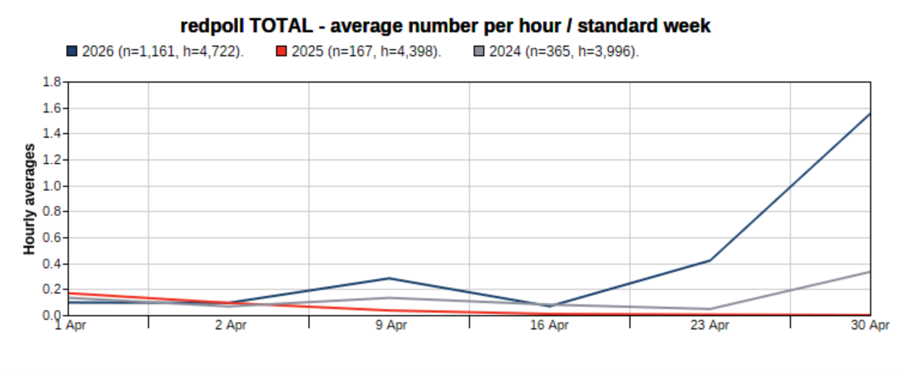
All UK sites totals for the last three years for April.
The last three days of the month were very enjoyable, with a female Osprey seen over two days, a lingering Pink-footed Goose and to top it, a Crane on Ladybridge Lake which presented itself to one lucky observer.
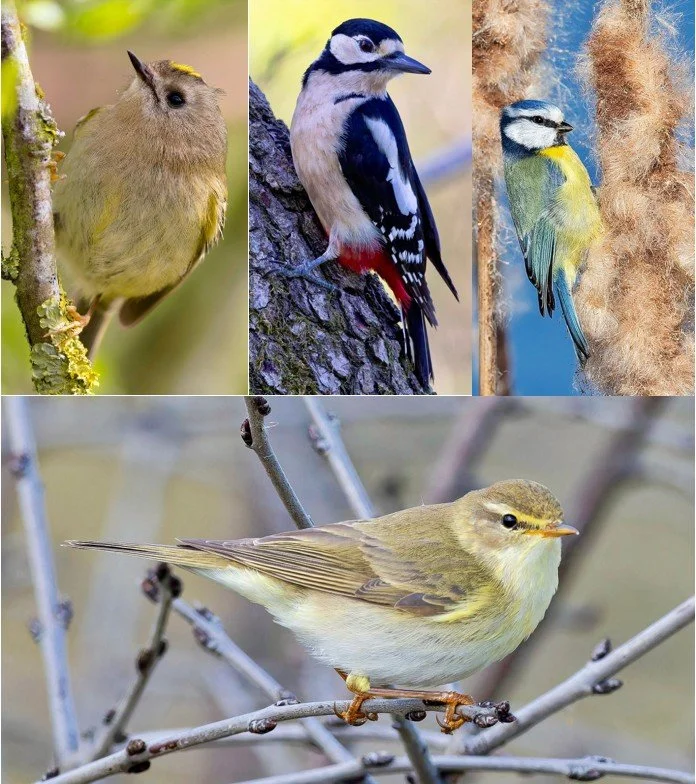
The April supporting cast : Top left to right: Goldcrest, Great Spotted Woodpecker, Blue Tit Bottom: Willow Warbler
All Steven Farrington